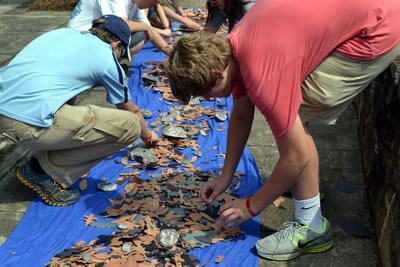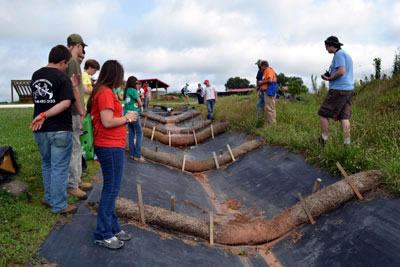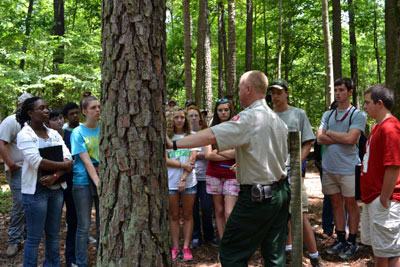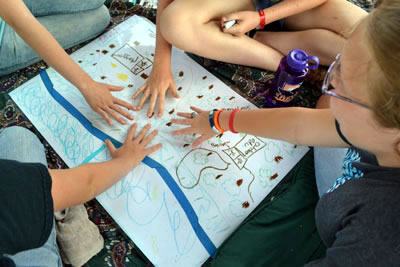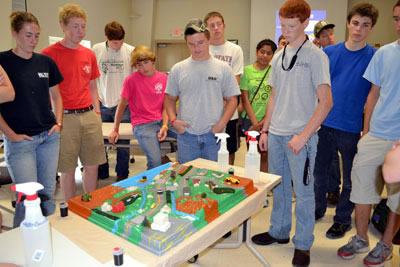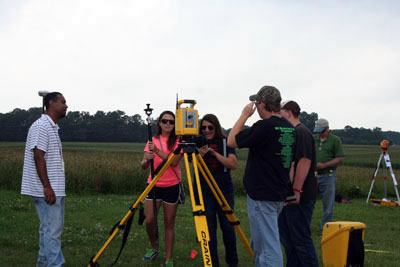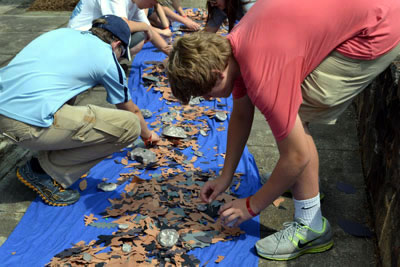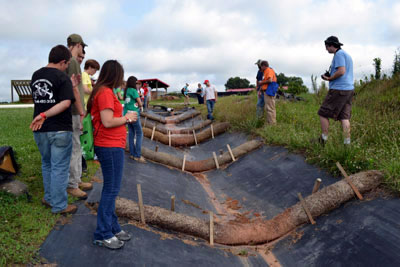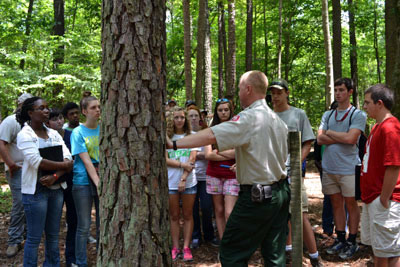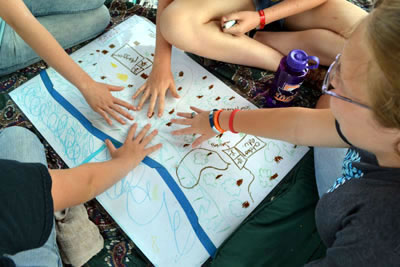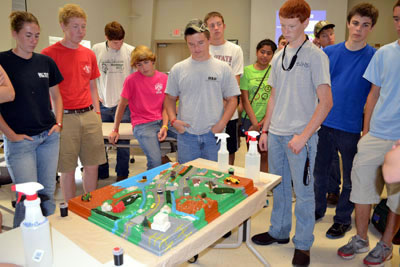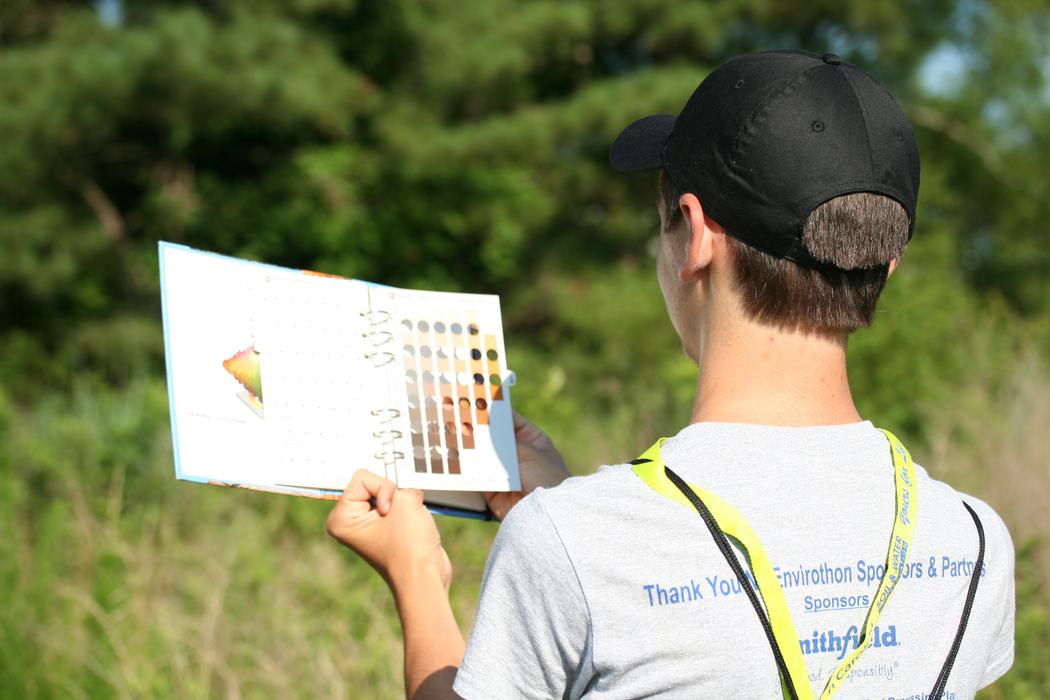
RCW youth exploring soil color.
Resource Conservation Workshop
June 14-19, 2026
Applications are through your local NC Soil and Water Conservation District.
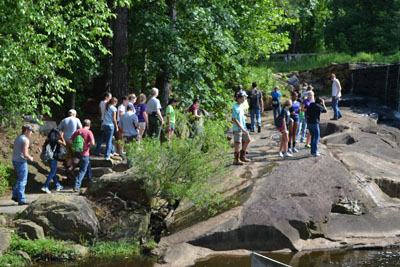
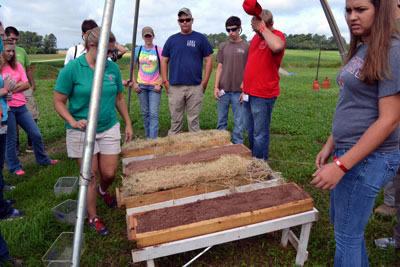
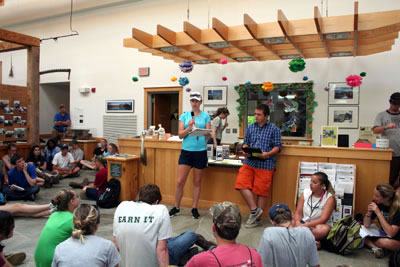
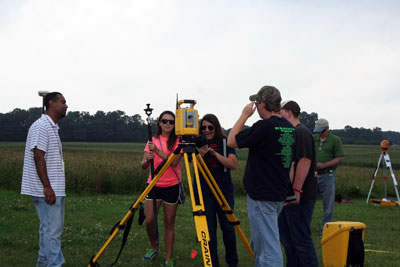
The Resource Conservation Workshop is a weeklong intensive study and hands on conservation workshop requiring student application and participation in a wide range of conservation topics. The workshop is intended to engage students to learn about natural resources and their management in today’s environment. Students participate in field study, tours, hands-on sessions as well as evening activities that focus on college-decision making and career decisions. Awards and scholarships are won and presented to the students under several awards programs.
The Resource Conservation Workshop students stay on campus at NC State in dormitories and attend workshop sessions in Williams Hall, Lake Wheeler Soils Field Lab as well as field studies at Falls Lake State Recreation Area and Clemmons State Educational Forest in Clayton.
The Resource Conservation Workshop is sponsored by the Division of Soil and Water Conservation of the NC Department of Agriculture and Consumer Services, the Crop and Soil Sciences Department of N.C. State University, and the N.C. Association of Soil and Water Conservation Districts in conjunction with the Hugh Hammond Bennett Chapter - Soil and Water Conservation Society of America, N.C. Soil and Water Conservation Commission.
Get Started
The 2026 Resource Conservation Workshop is June 14 - 19th. Rising 10th-12th graders from North Carolina are eligible to apply. Applications are through your local NC Soil and Water Conservation District and are due in late March (deadlines vary, reach out to your district today!)
Contact
Liz Driscoll, RCW Co-Coordinator (NC State University | Extension) liz_driscoll@ncsu.edu | 919.886.3424
Elise McLaughlin, RCW Co-Coordinator (NCDA Division of Soil and Water)
elise.mclaughlin@ncagr.gov